
Where to buy an eSIM? Here are your four main options.

Byron Mühlberg
Guide
There's no getting around it — eSIMs are on the rise, and they're available for purchase from more and more places online from dedicated eSIM sellers to major network carriers.
This short guide highlights the main options for buying eSIMs and compares ease and cost to help you find the best deal.
Here are four ways to buy an eSIM:
Option 1: Online eSIM sellers
You've probably already heard of Airalo and Holafly. These would be examples of online eSIM sellers — companies which specialize in digital eSIM plans for international travel or short-term use.
These platforms are particularly ideal if you're a regular tourist, digital nomad, or if you just want a fast and flexible data plan without visiting a store. Since it's normally both the cheapest (costing $1-$3 per gig on average) and most convenient (everything is completely digital), I'd recommend this option for most travelers, although it helps to compare the main sellers before buying your eSIM. Here are Simsurf, our team has tested over 20 sellers in different countries. Here are our highlights:
- Saily: The best all round. Excellent prices, super app, and free built-in security features (Saily is owned by NordVPN, after all).
- Airalo: The most popular choice. Also super affordable and app is excellent. Zero complaints from our extensive tests.
- GigSky: Affordable and easy to use. What really stands out is its 500 MB free eSIM to test (with no obligation to pay for more).
Use Simsurf's market-leading eSIM comparison to find the best seller and plan for your exact trip in real time:
Compare top eSIM sellers in a few clicks:
Option 2: In-store eSIM/SIM sellers
Although most eSIMs are bought and sold digitally (i.e., via a website or app), some sellers additionally give you the option of buying your eSIM in-store over the counter.
Here, we particularly like SIM Local. Although it doesn't offer many in-store locations all things considered, its data is very cheap and comparable to purchasing a physical SIM card. SIM Local has stores in the following airports:
- Heathrow Airport (4 locations)
- Gatwick Airport (2 locations)
- Athens Airport (2 locations)
- Vienna Airport (1 location)
- Madrid Airport (1 location)
Alternatively, you might consider simply buying a physical prepaid SIM card at a telco store when you're travelling. Here, you'll often see rows of SIM products like this:
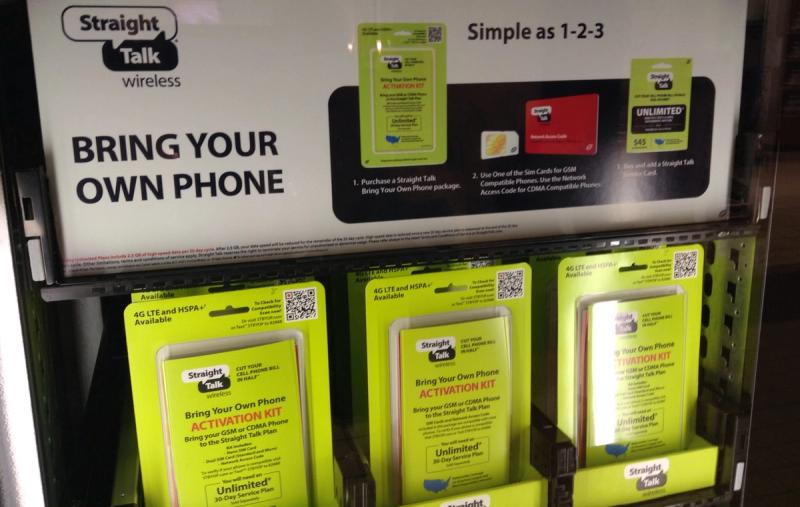 Mike Mozart (CC BY 2.0, unmodified)
These are generally super affordable options, but require visiting a store and probably having to dispense of your SIM card once your holiday is over.
Option 3: Mobile Network Providers
Most major carriers around the world are waking up and smelling the coffee. These days, it's increasingly common to see built-in eSIMs, support, and even travel eSIMs on offer from many of the big networks.
If you already have a mobile plan with your home carrier, the first step would be to check their website or call them up to inquire about this. They may allow you to switch from a physical SIM to an eSIM or even offer an eSIM plan directly for your next trip. For example, the following carriers support eSIMs in one form or another:
If your carrier isn't listed above, no worries. Just go on their website and check for yourself.
Option 4: Device Manufacturer Partnerships
In addition, in some countries, smartphone manufacturers partner with local carriers to offer built-in eSIM activation directly through your phone's settings. This isn't necessarily geared toward mobile data abroad, but rather it converts your regular physical SIM card into a digital eSIM.
This is the ideal option if you're looking for a permanent switch from a physical SIM to an eSIM.
Here are two popular examples:
- iPhone XS and newer let you buy and activate an eSIM by tapping the “Add eSIM” option (found in “Settings” under “Cellular”). See more info here.
- Google Pixel and Samsung Galaxy models also support eSIM activation in similar ways. You can find specific instructions for Google Pixel here and Samsung Galaxy here.


